If you’ve ever tried to sell a car and received wildly different offers from different buyers, you’re not alone. Car buyers in Christchurch use a structured but often misunderstood evaluation process to determine what your vehicle is actually worth. Knowing how that process works puts you in a stronger position, whether you’re after a fast cash sale or simply want to avoid being underpaid.
At Kiwi Auto Wrecker, we deal with hundreds of used vehicles across Canterbury every year. This guide walks you through exactly what auto buyers look at, why offers vary, and how to get the most accurate quote when you’re ready to sell.
What “Vehicle Worth” Actually Means in the NZ Market
Before diving into the evaluation criteria, it helps to understand that vehicle value in New Zealand isn’t a fixed number; it’s a range that shifts based on who’s buying and why.
There are three common value benchmarks used by used car buyers and wreckers alike:
- Retail value — what a dealer lists the car for on a yard (highest)
- Trade-in value — what a dealer offers when you swap it for another car
- Wrecker or cash buyer value — based on the car’s usable parts, scrap metal weight, and resale potential (honest and fast, but typically lower than retail)
When you contact cash-for-cars buyers or auto wreckers Christchurch, they’re working from the third category. That’s not a trick — it’s a different use case. Knowing this upfront helps you compare quotes fairly.
The 7 Factors Car Buyers Use to Evaluate Your Vehicle
1. Make, Model, and Year
The starting point for any valuation is the vehicle’s identity. Japanese brands like Toyota, Honda, Mazda, and Nissan tend to hold their value well in New Zealand due to their reliability record and strong aftermarket parts demand. Older European vehicles, while popular, can be harder to source parts for if parts are scarce.
The year matters because it affects depreciation curves, compliance history, and parts availability. A 2005 Toyota Corolla with 180,000 km will attract more buyer interest than a 2003 European equivalent at the same odometer reading, simply because parts are easier to source and sell.
2. Odometer Reading
Mileage is one of the most direct signals of mechanical wear. Christchurch car buyers typically use odometer ranges to place a vehicle in one of several condition tiers. In general:
- Under 100,000 km: strong resale or parts value
- 100,000–200,000 km: moderate value, depends heavily on service history
- Over 200,000 km: parts and scrap value dominate, retail resale unlikely
High mileage doesn’t automatically mean a low offer; a well-maintained high-mileage vehicle often beats a neglected lower-mileage one.
3. Vehicle Condition (Body and Mechanical)
Buyers split this into two assessments:
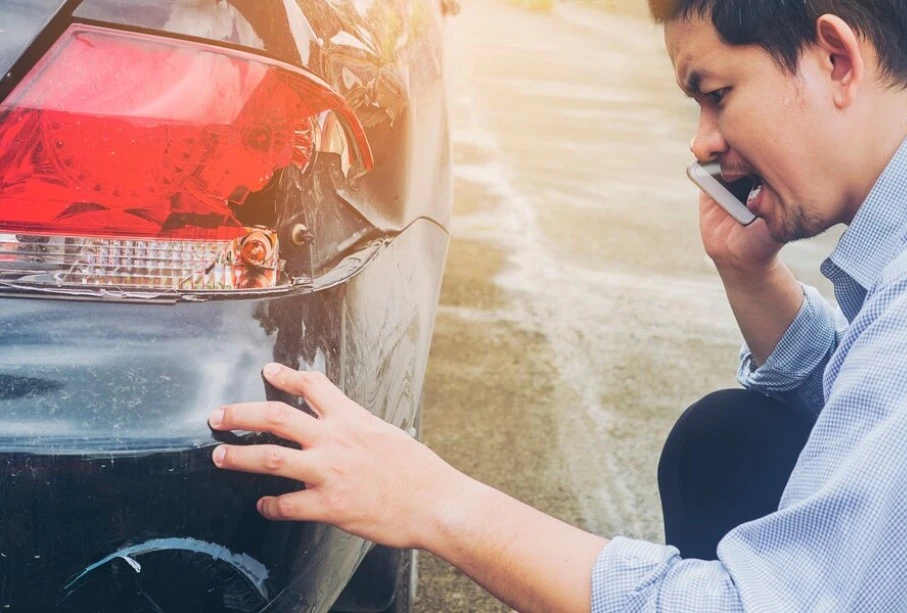
Exterior and body: Panel damage, rust (particularly undercarriage and wheel arches in Canterbury’s climate), cracked windscreens, and broken lights are all deductions. Minor cosmetic issues rarely kill a deal, but structural rust or major accident damage significantly lowers value.
Mechanical state: Engine condition, transmission health, brakes, suspension, and whether the car currently runs are all weighted heavily. A running car with a worn engine is worth more than a non-runner with a perfect body, in most cases.
Wreckers like Kiwi Auto Wrecker assess that a non-running car still has real value in its parts and metal.
4. WOF and Registration Status
A current Warrant of Fitness signals the car meets road safety standards and hasn’t been sitting unattended for years. For buyers who plan to resell the vehicle, a current WOF saves them work. For wreckers, it’s less critical, but it still tells a story about how the car was maintained.
Expired WOF and registration generally reduce an offer slightly, but don’t disqualify a vehicle from a cash sale.
5. Service History and Ownership Records
A full service history isn’t just paperwork, it’s evidence that the previous owner took care of the vehicle. Oil changes, timing belt replacements, and transmission services at correct intervals mean the mechanical components are more likely to be usable.
Missing service records don’t eliminate value, but buyers will price in the uncertainty.
6. Accident and Title History
In New Zealand, buyers can check a vehicle’s history through the NZTA motor vehicle register. Vehicles that have been written off, have finance owing, or have a stolen flag will attract either drastically reduced offers or be declined entirely.
If your car has a clean title and no outstanding finance, say so upfront; it accelerates the process and often results in a better offer.
7. Current Market Demand for Parts
This factor is unique to wreckers and cash-for-cars buyers. Even a vehicle in poor cosmetic condition can command a reasonable offer if the parts are in demand. Engines, gearboxes, airbag modules, ECUs, doors, and bonnets for popular models sell quickly. If your vehicle is a commonly driven make in Christchurch, such as a Corolla, Hilux, or Honda Jazz, for example, its parts are actively sought.
Buyers who know the local market, like the team at Kiwi Auto Wrecker, can offer more because they know exactly which components will move.
How to Get an Accurate Instant Car Quote in Christchurch
Most reputable used car buyers and wreckers now offer online or phone-based instant quotes before any physical inspection. To get the most accurate number:
- Have your registration plate or VIN ready (enables a quick history check)
- Know your odometer reading
- Be honest about damage, mechanical faults, or accident history — buyers will find out during inspection anyway, and inflated descriptions delay the process
- Mention any recent repairs or new parts — these genuinely add value
At Kiwi Auto Wrecker, we provide same-day quotes and free vehicle removal across Christchurch — no obligation to accept.
Why Offers Vary Between Buyers
You might get $500 from one buyer and $1,800 from another for the same car. Here’s why:
- Dealers need to resell profitably and budget for compliance, cleaning, and warranty risk; their margin requirements lower their offer to you
- Private buyers may offer more, but involve negotiation, time, and safety considerations
- Wreckers and cash buyers offer fast payment, but the price is based on parts and scrap, often the best option for vehicles that wouldn’t pass a WOF or have high mileage
Getting two or three quotes before committing is always reasonable. Just make sure you’re comparing like-for-like a same-day cash offer with free towing is worth more in practice than a slightly higher number that takes three weeks to settle.
FAQ: Selling Your Car to Buyers in Christchurch
Contacting a local cash-for-cars buyer or auto wrecker is typically the fastest route. Companies like Kiwi Auto Wrecker can provide a quote within hours and arrange same-day pickup, with payment on the spot. No advertising, no negotiations with strangers, no waiting.
No. Most auto wreckers in Christchurch will buy non-running, damaged, or accident-affected vehicles. The vehicle’s parts and scrap metal still hold value regardless of whether it drives.
Written-off vehicles are assessed purely on salvageable parts and scrap weight. The category of write-off matters. A statistical write-off (where repair cost exceeded vehicle value) may have many intact components, while a structural write-off will be valued mainly for metal. Be upfront about write-off status so buyers can give an accurate quote.
Possibly, but not always, and the difference often isn’t worth the time investment. Private sales require listing, responding to inquiries, test drives, and negotiating. For vehicles in poor condition or high mileage, private buyers are rare. Wreckers offer certainty, speed, and no selling fees.
You’ll need the vehicle’s Certificate of Registration. If you still owe money on the car (i.e., there’s a security interest registered on the PPSR), you’ll need to discharge that before sale or arrange for the buyer to settle it directly. A signed sale agreement protects both parties.
Reputable buyers like Kiwi Auto Wrecker include free towing and removal across the Christchurch area. Always confirm this before accepting an offer, as some buyers charge a collection fee that effectively reduces your payout.
Check the Trade Me Motors listings for similar vehicles (same make, model, year, and condition) to get a ballpark retail figure. Keep in mind that private sale prices include the seller’s profit margin, whereas cash buyer offers will be lower, but so is the effort involved. If an offer seems unusually low, get a second quote.
Demand for used vehicles tends to peak in late summer and early autumn (February–April) as people return from holidays and before the colder months reduce driving activity. However, cash buyers and wreckers operate year-round and aren’t affected by seasonal demand the way private or dealer sales are.
Reputable auto wreckers depollute the vehicle first, draining fluids, removing batteries, and handling hazardous materials responsibly in compliance with New Zealand environmental regulations. Usable parts are catalogued and sold. The remaining metal shell is crushed and sent to a steel recycler. It’s a genuinely sustainable end-of-life process for vehicles that would otherwise sit idle.
Can I sell a car with outstanding finance to a cash buyer?
Not directly. You’ll need to settle the finance first, or arrange for the buyer to pay the finance company directly and give you the remainder. Selling a vehicle with outstanding security interests without disclosing it is illegal in New Zealand. Most buyers will check the PPSR before completing any transaction.
Ready to find out what your vehicle is worth? Contact Kiwi Auto Wrecker for a free, no-obligation quote. We buy all makes and models across Christchurch, running or not.