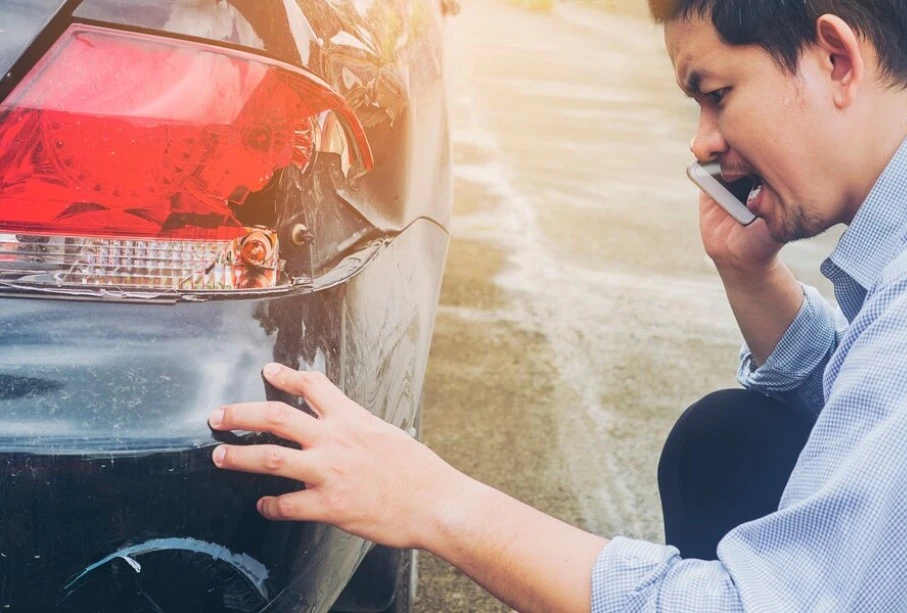
Selling an old, damaged, or unwanted vehicle to car wreckers is usually a pretty easy call. A tow truck turns up, cash basically changes hands, and then the car just vanishes down the driveway. But what really happens to it after that, in real life?
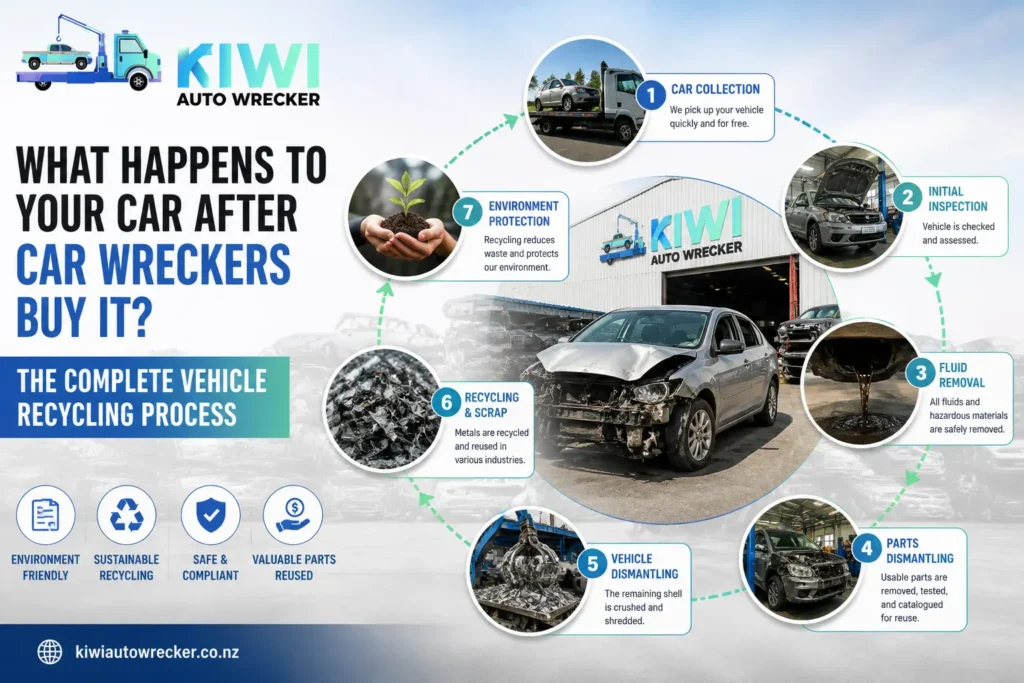
Most vehicle owners in New Zealand never actually see what comes next. And honestly, it’s a bit of a shame, because the whole process is genuinely impressive. Professional wreckers don’t just crush it and move on; they run a kind of structured recycling operation that pulls usable bits back into the mix, reclaims valuable metals, and handles hazardous waste in a responsible way.
This guide takes you through the entire vehicle recycling thing, sort of in a step-by-step way so you can see what happens right after you hand it over to a wrecker. If you’re clearing out a driveway in Christchurch, sorting out car removal in Timaru, or maybe you’re just wondering where scrap cars actually go, this one pretty much touches on everything, start to finish.
What Happens To A Car After It’s Sold To A Wrecker?
Once a vehicle is sold, it kind of moves through a few clearly defined stages, starting with collection and transport, then inspection. After that comes depollution, meaning the removal of fluids and any hazardous components, ok. Next, they dismantle the reusable parts, do the inventory check, and resell those parts. Then the rest gets crushed, followed by metal recovery and recycling. Solid operators like car wreckers NZ-wide generally stick to this exact order so that nothing usable gets overlooked, and so nothing hazardous ends up in the environment, either.
The short version is that very little of the car ends up being ditched for good. Most of it gets re-employed, resold, or turned into fresh stuff- recycled material, basically.
Step 1: Vehicle Collection And Transport
The process begins the moment you accept a quote.
- Quote acceptance — Once you agree to a price for cash for cars NZ, the wrecker schedules a pickup time that suits you.
- Vehicle pickup — A tow truck or flatbed collects the car directly from your property, whether it’s running, damaged, or completely immobile.
- Documentation — Ownership transfer paperwork is completed on the spot, protecting you from future liability for the vehicle.
- Transport to the yard — The car is taken to the wrecking facility for assessment.
This is the part most owners are familiar with. It’s also where the real work quietly begins.
Step 2: Initial Vehicle Inspection
Before any dismantling happens, every vehicle receives a thorough inspection.
Technicians assess:
- Condition — Whether the vehicle runs, has been in an accident, or is a total end-of-life vehicle
- Make and model — Some models have stronger demand for used auto parts NZ-wide than others
- Accident damage — Which panels, mechanical components, and electronics survived intact
- Parts demand — Which components are worth stripping and reselling versus recycling as scrap metal
- Scrap metal valuation — An estimate of the car’s raw material worth once parts are removed
This inspection determines the entire path the vehicle will take through the yard. A late-model car with a healthy engine and low kilometres might yield dozens of resalable parts. An older, heavily corroded vehicle may move more quickly toward metal recovery.
Step 3: The Depollution Process
This is arguably the most important and most overlooked stage of vehicle recycling. Before any dismantling or crushing occurs, every fluid and hazardous substance must be safely drained and stored.
What gets removed during depollution:
- Engine oil — Drained and filtered for reuse or safe disposal
- Coolant — Removed to prevent groundwater contamination
- Brake fluid — Extracted due to its toxicity and corrosive properties
- Fuel — Siphoned out and either reused or disposed of through licensed handlers
- Batteries — Removed for separate recycling, since lead-acid batteries contain corrosive acid and heavy metals
- Air conditioning refrigerant gas — Recovered using specialised equipment to prevent it escaping into the atmosphere
Why does this matter so much? A single litre of engine oil can contaminate a huge volume of groundwater if it leaks into soil. Depollution is what separates a responsible wrecker from a backyard operation that simply strips parts and dumps the rest. It’s also a legal requirement under New Zealand’s waste management standards.
Step 4: Removal Of Reusable Parts
With hazardous fluids safely removed, dismantlers move on to extracting components with resale value. This is the heart of the vehicle dismantling process.
Commonly recovered parts include:
- Engines and gearboxes
- Alternators and starter motors
- Radiators
- Doors, bonnets, and boot lids
- Wheels and tyres (if still roadworthy)
- Headlights and tail lights
- Side mirrors
- Electronic control modules and wiring looms
Every part removed goes through a testing and quality inspection process before it’s cleared for resale. An engine, for example, might be checked for compression, oil leaks, and unusual noise before it’s approved for the shelf. This step protects the buyer just as much as it protects the wrecker’s reputation.
Step 5: Inventory And Auto Parts Resale
Recovered parts don’t just sit in a shed. They’re catalogued into an inventory system that records the part’s condition, compatible vehicle models, and stock location.
This system allows the wrecker to:
- Store parts in an organised, searchable way
- Supply mechanics and repair shops quickly
- Supply individual vehicle owners looking for affordable used auto parts NZ-wide
- Track which components are in high demand
For customers, this is where the environmental story becomes a practical benefit. Buying a used gearbox instead of a brand-new one is both cheaper and far less resource-intensive to produce.
Step 6: Vehicle Crushing And Metal Recovery
Once all resalable parts have been removed, the remaining shell, now essentially a stripped metal frame, moves to the crushing stage.
- Crushing: Hydraulic crushers basically squeeze the vehicle body into a tight, compact shape, so it’s more manageable and less awkward to handle
- Metal separation: Through automated plus manual sorting, ferrous metals (steel and iron) get separated from non-ferrous metals, like aluminium, copper, and brass
- Steel recycling: Since steel is the biggest component by weight, it’s forwarded to steel mills for reprocessing
- Aluminium recycling: Recovered from wheels, engine blocks, and trim components
- Copper recovery: Extracted from wiring looms and electric motors, since copper holds strong recycling value
At this stage, the vehicle has been reduced to raw, sortable materials rather than waste.
Step 7: Material Recycling And Reuse
Recovered metals don’t disappear once they leave the yard. They re-enter the supply chain as raw material, basically for brand new products.
- Manufacturing: Recycled steel and aluminium are used to make new vehicle parts, appliances, and machinery
- Construction: Structural steel from recycled vehicles often ends up as building framework and reinforcement, for example, in foundations
- Industrial production: Copper and other metals go into the mix for electrical and industrial manufacturing
That’s kind of the core of the automotive circular economy: materials that would otherwise sit in landfill are cycled back into useful production, so there’s less need for fresh mining and smelting.
Step 8: Responsible Waste Disposal
Not every material in a vehicle can be recycled, full stop. Certain plastics, foams, and composite materials fall outside the standard recycling pathways and so on. Reputable wreckers dispose of these leftover bits according to environmental rules, and they use licensed waste facilities instead of informal dumping, or whatever people might try.
This last step is what ties the whole thing together, and really makes it a genuinely responsible vehicle recycling process, from the first fluid drained all the way to the final non-recyclable fragment that gets placed and disposed of correctly.
Environmental Benefits Of Vehicle Recycling
Vehicle recycling delivers measurable environmental value:
- Landfill reduction — Diverting metal, fluids, and components away from landfill sites
- Resource conservation — Reducing the need for newly mined steel, aluminium, and copper
- Energy savings — Recycling metal uses significantly less energy than producing it from raw ore
- Lower emissions — Reduced mining and smelting activity lowers the carbon footprint of new manufacturing
- Sustainable automotive practices — Supporting a supply chain where materials are reused rather than extracted repeatedly
For a country like New Zealand, where the recycling system has to handle a fairly small and scattered population, professional auto wreckers end up doing way more than most people might think. They help keep end-of-life vehicles out of landfill and waterways, kind of like a quiet but necessary safety net working in the background.
Why Choosing A Professional Car Wrecker Matters
Not all car buyers handle vehicles responsibly. Informal buyers sometimes strip cars for quick parts and abandon the rest, leaving fluids to leak and hazardous materials improperly discarded.
A professional car wrecker offers:
- Compliance with New Zealand environmental and waste-handling regulations
- Environmental responsibility through proper depollution and material recovery
- Fair vehicle valuations based on genuine parts and scrap metal worth
- Responsible recycling, ensuring materials are processed rather than dumped
Kiwi Auto Wrecker operates on exactly this model — assessing every vehicle fairly, running a proper depollution process, and recovering as much value and material as possible before anything reaches the crusher.
Case Study: From Old Driveway Vehicle To Valuable Resources
A Christchurch vehicle owner sold a non-running Toyota Corolla.
The car had been sitting unused for over a year after a gearbox failure made it uneconomical to repair. Here’s how it moved through the process:
- Collection — The vehicle was collected free of charge directly from the owner’s Christchurch driveway, with payment made on pickup.
- Inspection — Technicians assessed the body condition, verified the gearbox fault, and identified strong resale potential in the engine, doors, and electronic components.
- Reusable parts recovered — The engine, both front doors, headlights, alternator, and infotainment unit were removed, tested, and added to inventory for resale to local mechanics and DIY owners.
- Materials recycled — Approximately 900kg of steel and roughly 40kg of aluminium were recovered from the remaining shell after crushing, along with the battery and around 4 litres of engine oil, both processed through licensed recycling channels.
- Environmental outcome — Every fluid was safely removed before crushing, and around 85% of the vehicle’s total mass was either resold as parts or recycled as raw material, with only a small fraction of non-recyclable composite waste sent to a licensed disposal facility.
What started as an immobile car taking up driveway space ended up supplying parts to at least three other vehicles on the road and returning hundreds of kilograms of metal to New Zealand’s manufacturing supply chain.
Frequently Asked Questions
No. Vehicles go through inspection, depollution, and parts removal first. Crushing only happens after all reusable components and hazardous fluids have been extracted.
Yes. Reputable wreckers inspect and test components such as engines, alternators, and electronic modules before listing them for sale, to confirm they function correctly.
Yes. Accident-damaged, non-running, and deregistered vehicles can all be recycled. Damage doesn’t prevent depollution, parts recovery, or metal recycling; it may simply reduce which parts are resalable.
Most vehicles are around 75–85% recyclable by weight once reusable parts, fluids, and metals are all accounted for. Steel and aluminium make up the bulk of this figure.
Yes, when done properly. It reduces landfill waste, conserves raw materials, cuts emissions from new metal production, and prevents hazardous fluids from contaminating soil and waterways.
Batteries are removed during depollution and sent to specialised recyclers who safely process the lead and acid content rather than allowing them into general waste streams.
Drained oil is filtered and either reused as a lubricant in industrial applications or processed by licensed oil recycling facilities. It never enters general waste.
Yes. Deregistered and unregistered vehicles can still be sold to a wrecker for cash. You’ll need to provide proof of ownership, but registration status doesn’t prevent the sale.
From collection to full processing, most vehicles move through inspection, depollution, and dismantling within a few days to a couple of weeks, depending on parts demand and yard capacity.
Used parts avoid the manufacturing, material, and shipping costs of new components. Since they’re recovered directly from other vehicles, wreckers can price them well below retail while still testing them for reliability.
Conclusion
Selling a car off to a wrecker isn’t quite the end of it all, more like the start of a kind of orderly recycling journey that includes collection, a quick check-up, depollution, parts recovery, resale, then crushing and the reuse of materials. In the meantime, those hazardous fluids get dealt with in a safe way, the useful pieces get a second chance in other vehicles, and the metals can find their way back into New Zealand’s manufacturing supply chain instead of just lingering in landfill for good.
Choosing between reputable car wreckers and an informal buyer matters. It’s the difference between a vehicle being processed responsibly and one being stripped carelessly, with fluids and waste left unmanaged.
If you have an old, damaged, unwanted, or deregistered vehicle taking up space, Kiwi Auto Wrecker offers fair valuations, free vehicle collection, and a genuinely responsible recycling process. Get in touch for cash for cars, car removal, scrap vehicle collection, or used auto parts across Christchurch, Timaru, and the surrounding areas.